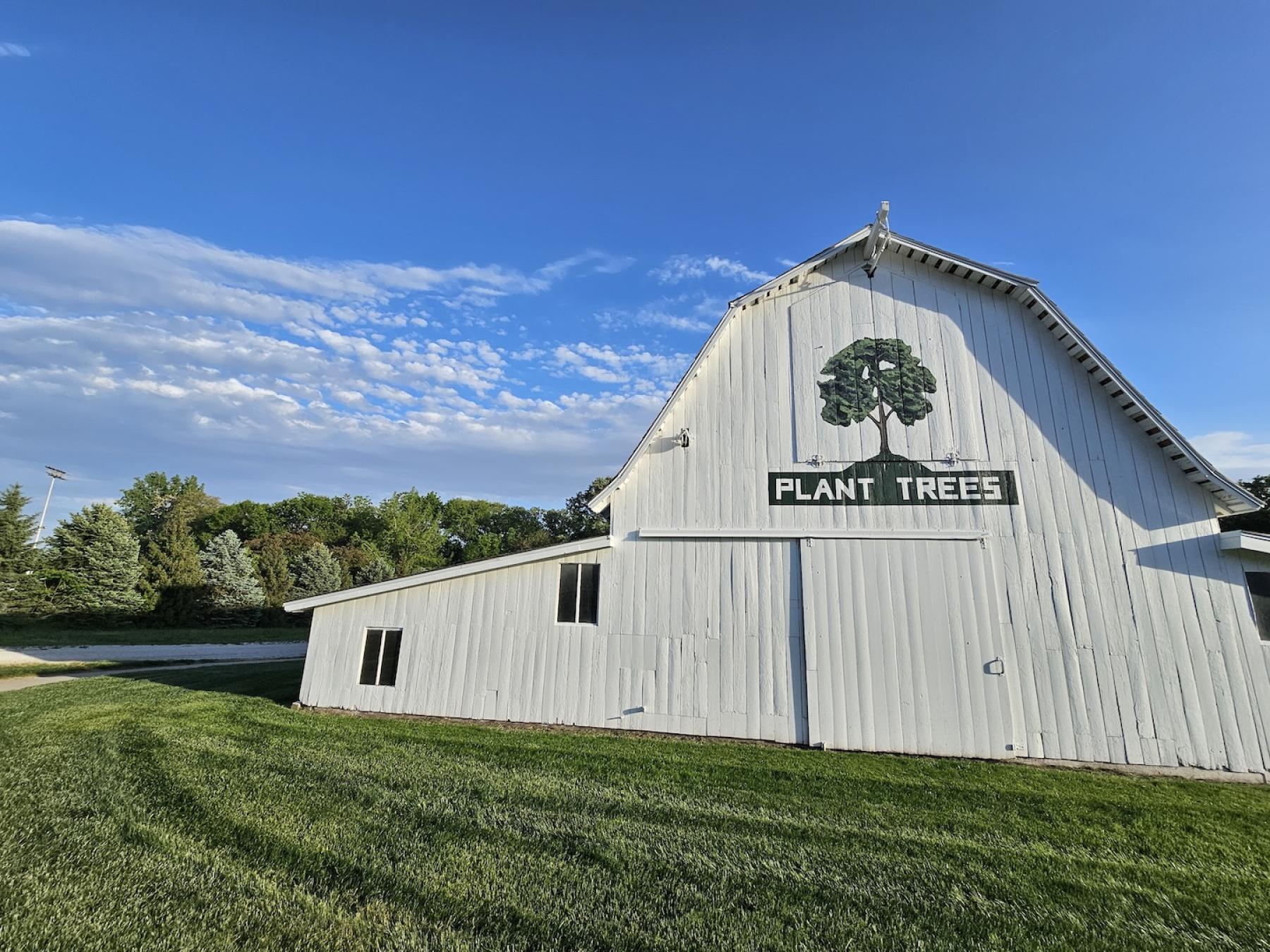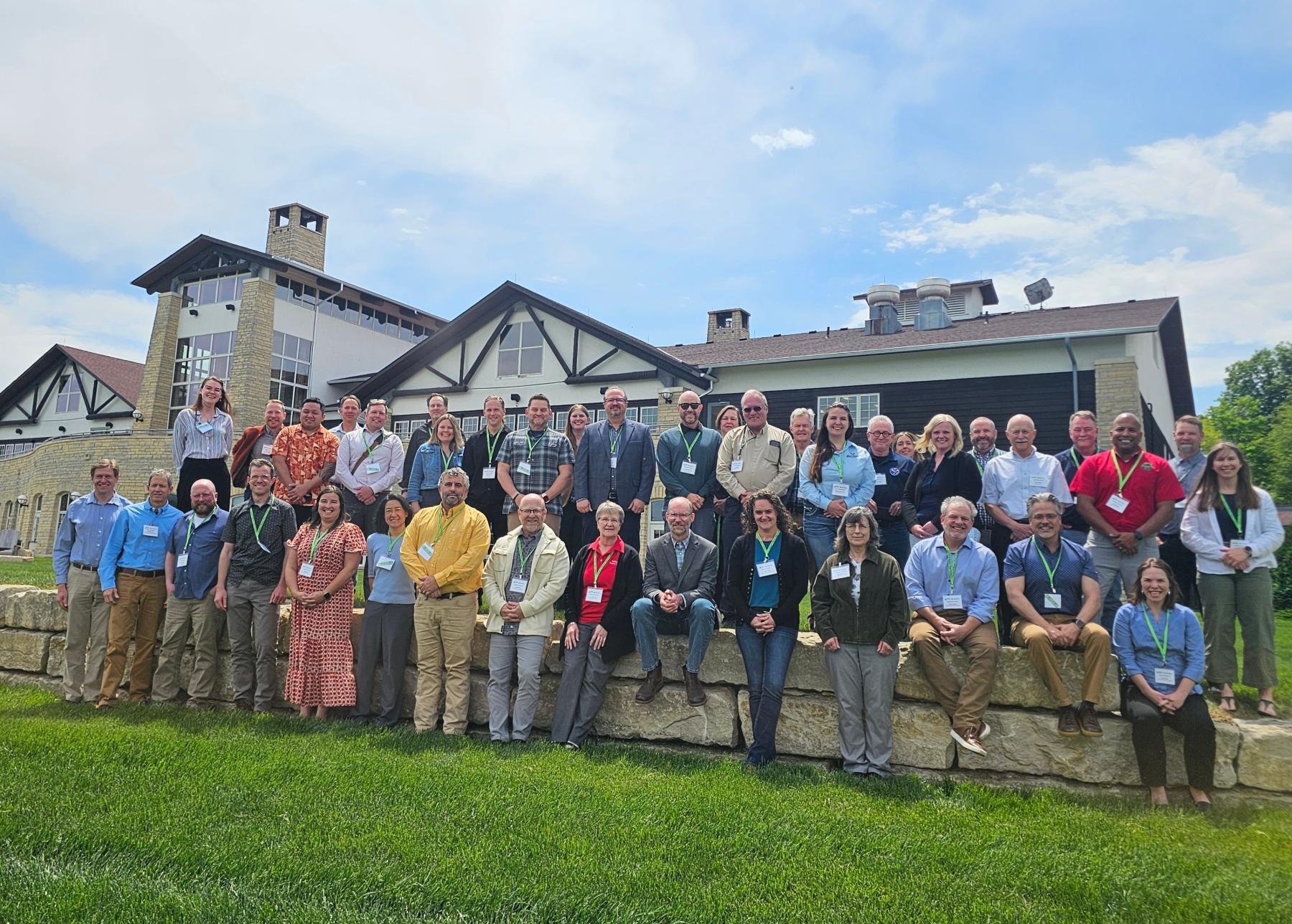
The 2026 Council of Western State Foresters (CWSF) and Western Forestry Leadership Coalition (WFLC) Spring Meeting brought together forestry leaders and partners May 12-14, 2026, at Lied Lodge at Arbor Day Farm in Nebraska City, NE. The meeting provided space for members and partners to reconnect, exchange updates, and discuss shared priorities related to wildfire, forest management, federal policy, and cross-boundary collaboration.
The meeting welcomed attendees from American Samoa and 17 western state forestry agencies, as well as representatives from the USDA Forest Service. Partners in attendance included the Arbor Day Foundation, the National Association of State Foresters, the National Forest Foundation, The Nature Conservancy, Planscape, the Ecological Restoration Institute, and the California Wildfire and Forest Resilience Task Force.
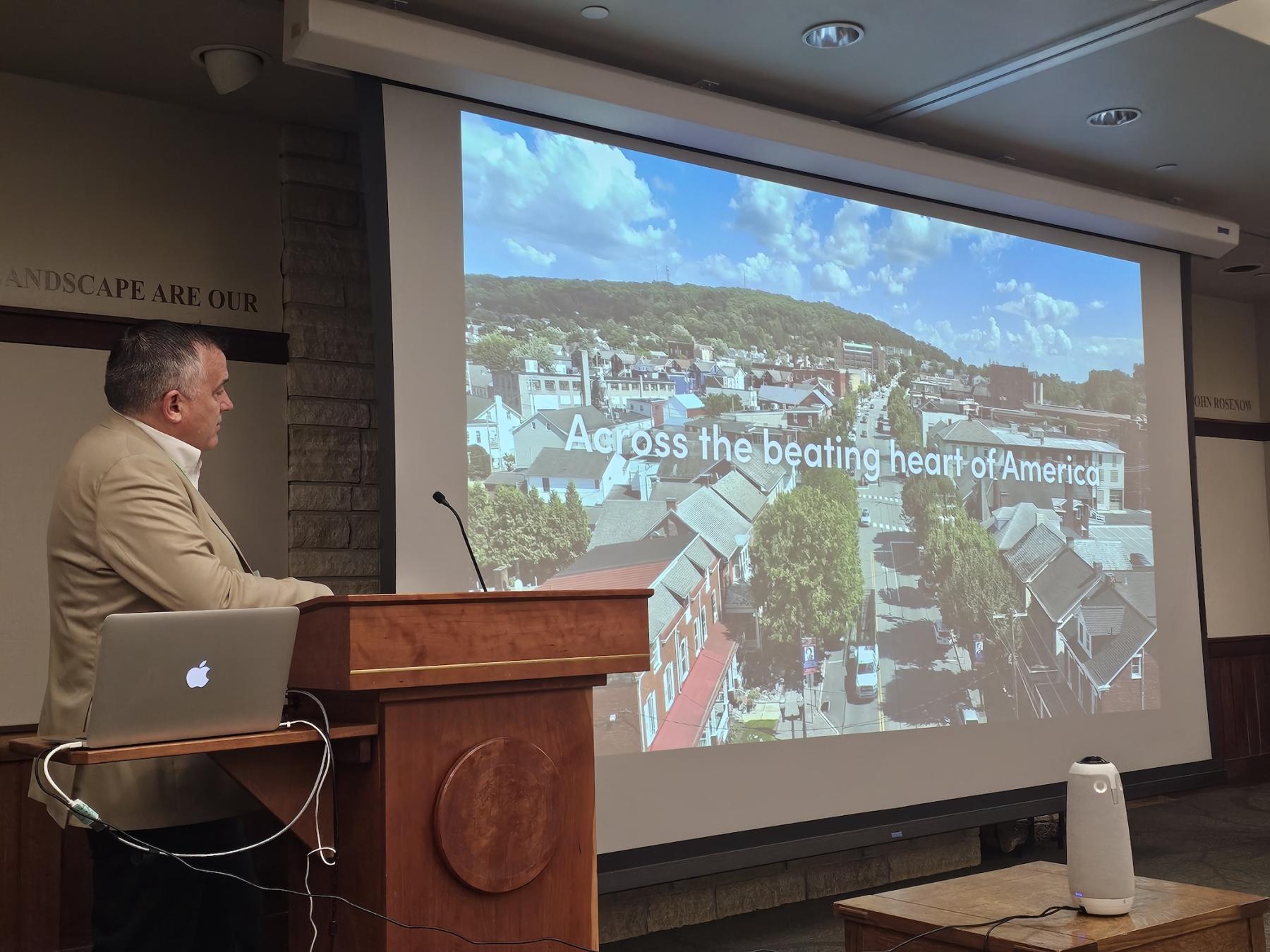
The WFLC meeting opened on May 12 with remarks from Dan Lambe, Chief Executive of the Arbor Day Foundation. Lambe helped set the stage for the week at Lied Lodge by sharing perspectives on Arbor Day's history and mission, recognizing the 50th anniversary of the Tree City USA program, and emphasizing the value of partnerships in advancing forestry efforts.
“If ever there was a time for trees, now is that time. If ever there was a moment for the leadership you provide, this is that moment,” said Lambe. “We know we can’t do it alone; we are at our best when we are working with partners.”
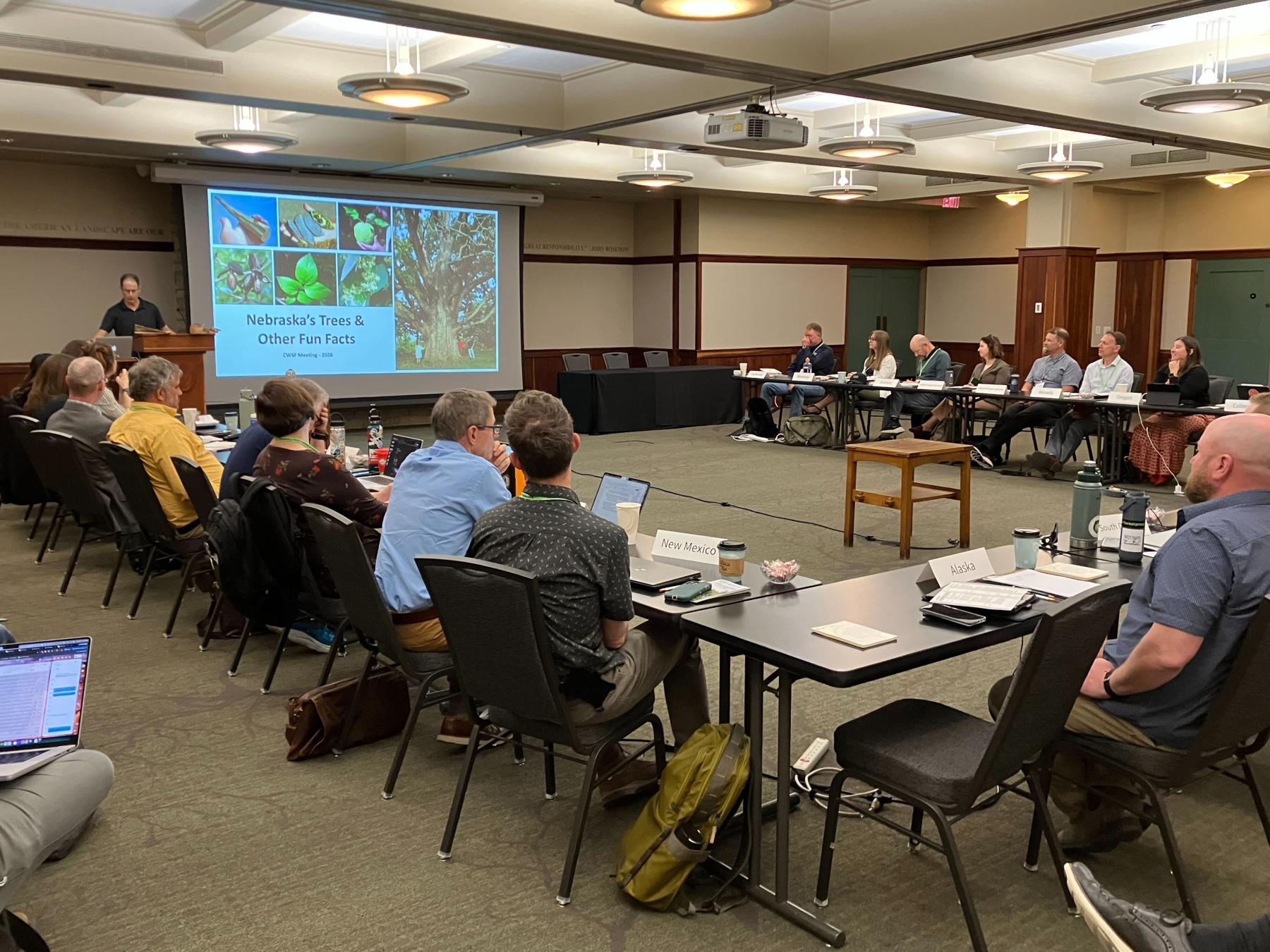
For additional local context, Nebraska State Forester John Erixson reflected on the role forestry has played in shaping Nebraska’s landscapes and communities. Justin Evertson, Nebraska Forest Service Green Infrastructure Coordinator, shared insights on Nebraska’s tree species and emphasized the value of species diversity in the face of pests, disease, and weather extremes.
“Trees are about legacy. A person plants a tree knowing that they will never see the full benefits of that tree,” said Erixson. “Forestry teaches us patience, stewardship, and responsibility to future generations.”
Building on these opening conversations, the Spring Meeting featured discussions, presentations, and networking. Key topics and discussions included:
- Policy Updates - CWSF/WFLC Director of Policy Neil Simpson provided an overview of key forestry and wildfire-related legislation, budget and appropriations developments, and emerging issues impacting the forestry sector. View the May Policy Update for more information.
- Performance Metrics - Richard Barhydt, Station Director for the Rocky Mountain Research Station, and Patrick Wright, Director of the California Wildfire and Forest Resilience Task Force, discussed efforts to develop and implement outcome-based performance metrics and approaches for alignment with other western states.
- Wildfire Data Initiatives - Lowell Ballard with the Timmons Group, Aaron Kimple with Southwest Ecological Restoration Institutes, and Kori Blankenship with The Nature Conservancy LANDFIRE Team presented updates on their respective wildfire data programs - Grant Accomplishments Reporting Portal (GARP), the Treatment and Wildfire Interagency Geodatabase (TWIG), and LANDFIRE.
- Shared Stewardship 2.0 - USDA Forest Service representatives, Ellen Shultzabarger and Shawn Thomas, facilitated a discussion on Shared Stewardship implementation, alignment, and ways to strengthen collective work across the West. Several conversations throughout the meeting also emphasized the continued importance of Good Neighbor Authority and opportunities to strengthen state-federal coordination in support of on-the-ground forestry work.
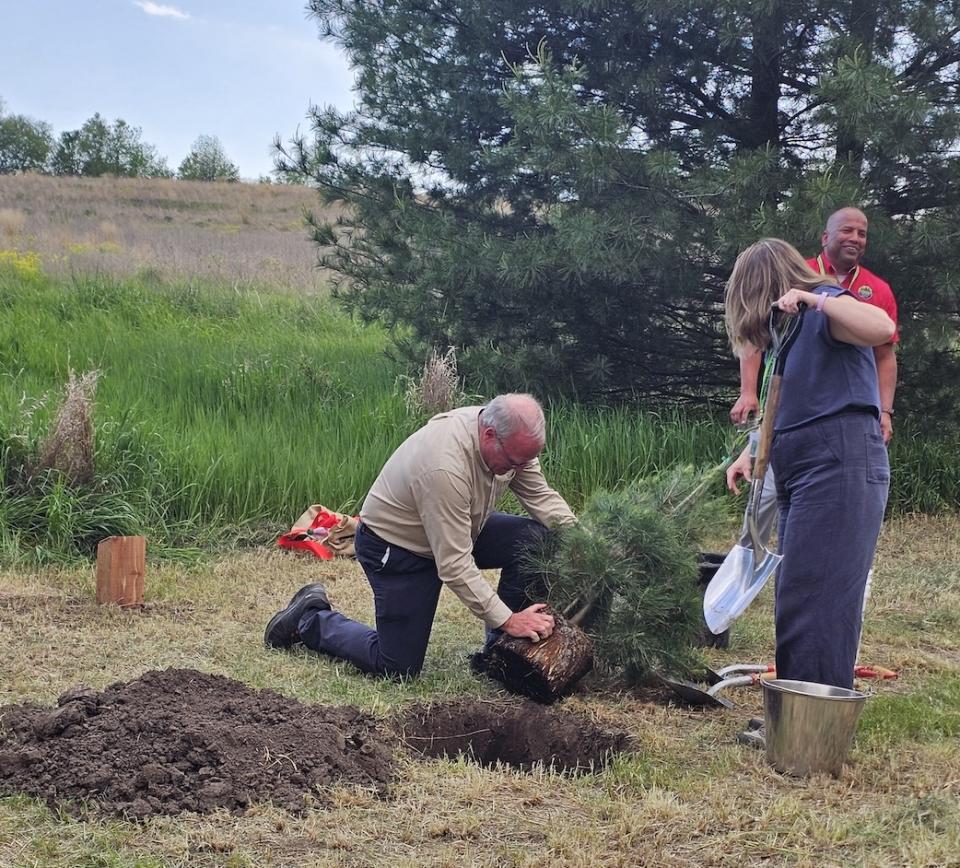
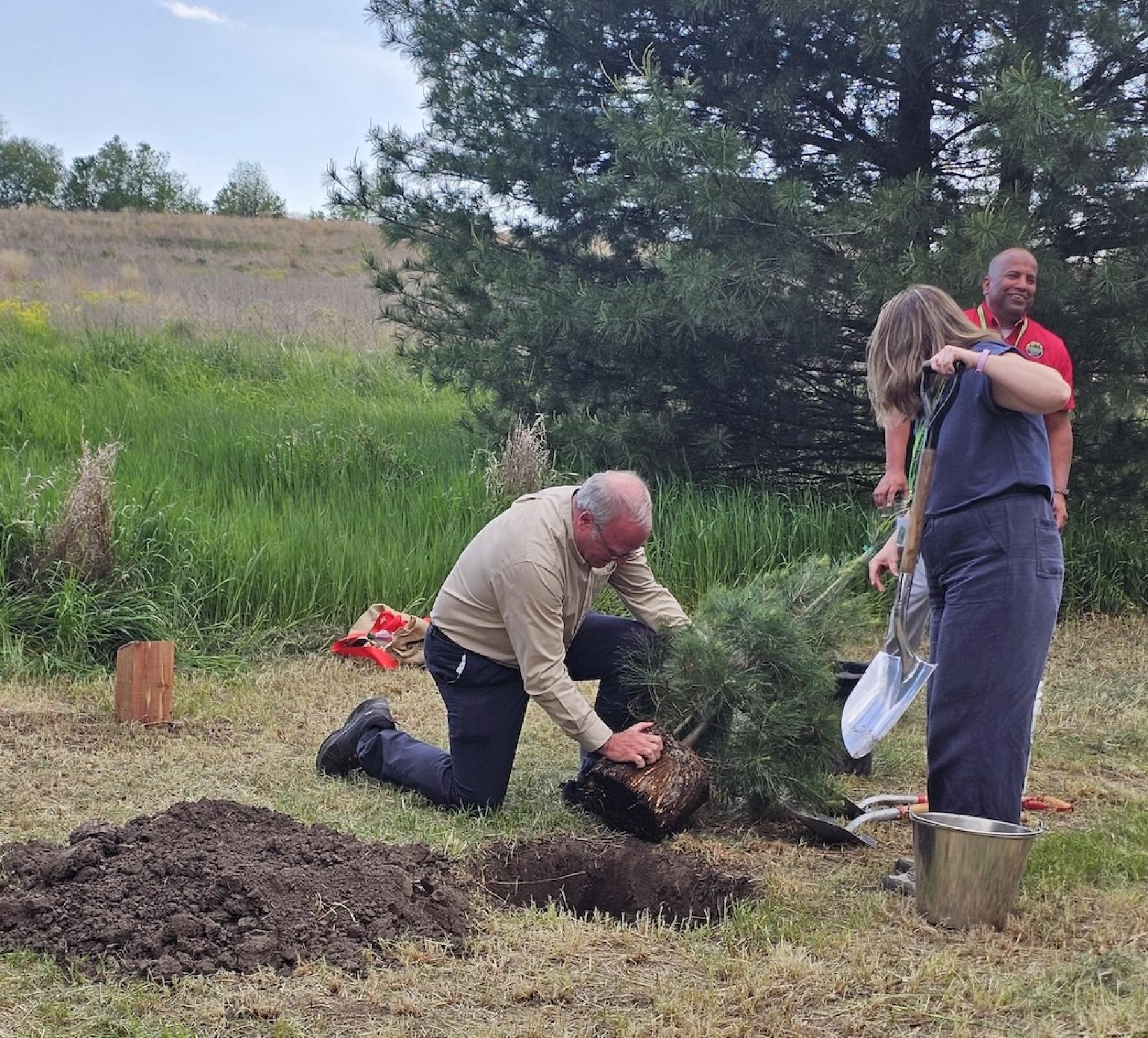
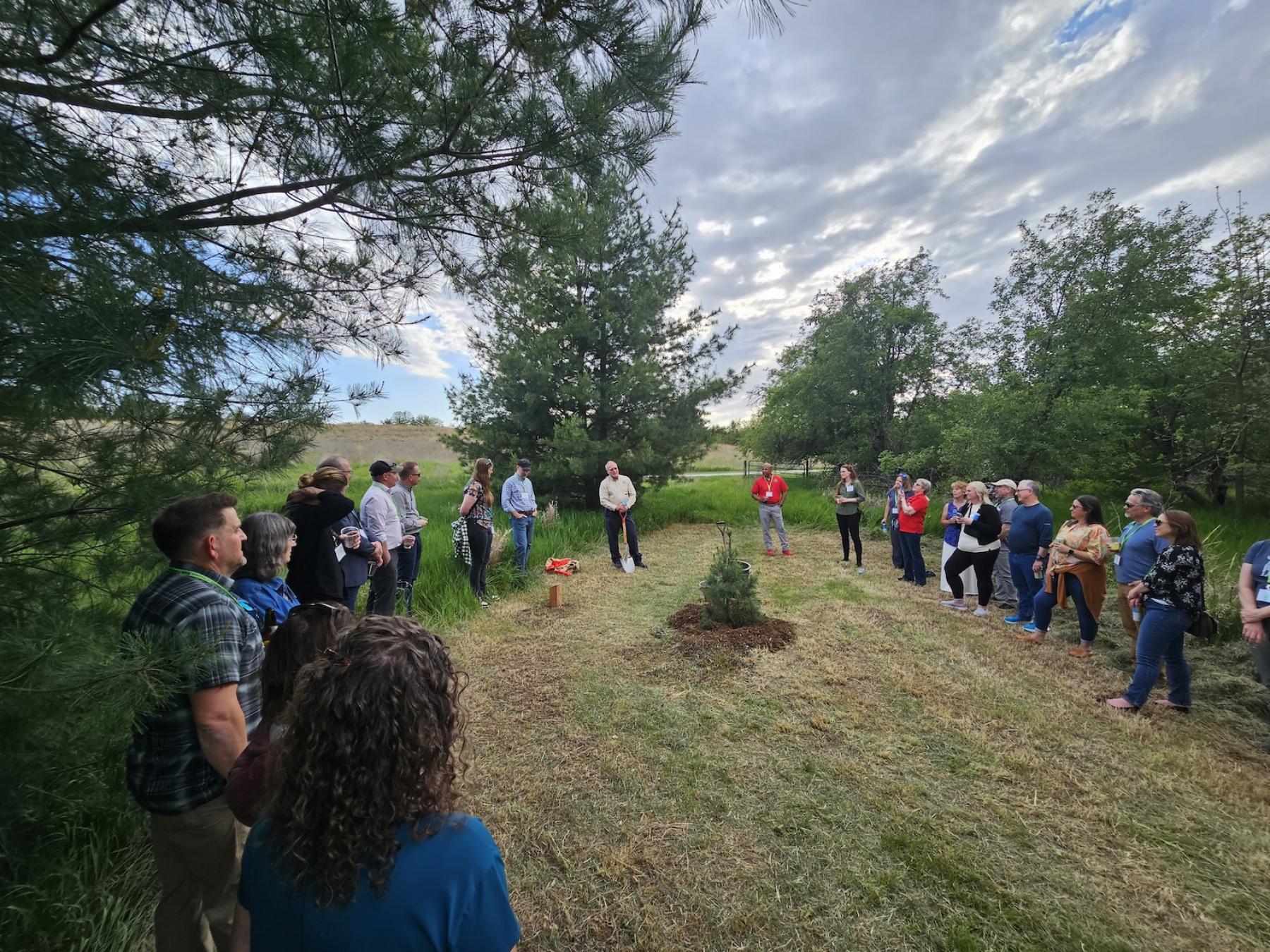
Day one concluded with a tree planting ceremony recognizing retiring Nebraska State Forester John Erixson and his nine years of leadership, including prior service as Chair of the CWSF Executive Committee.
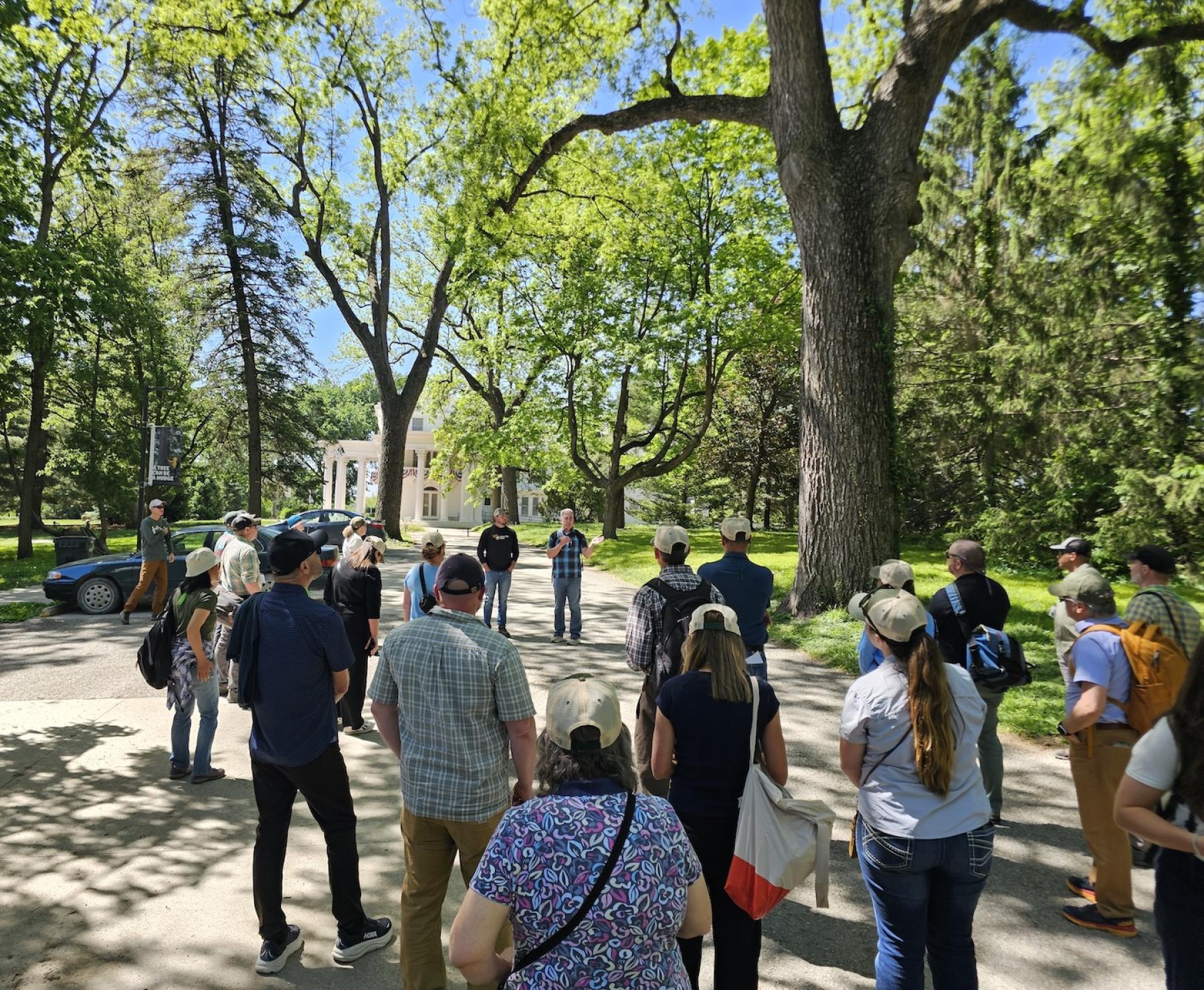
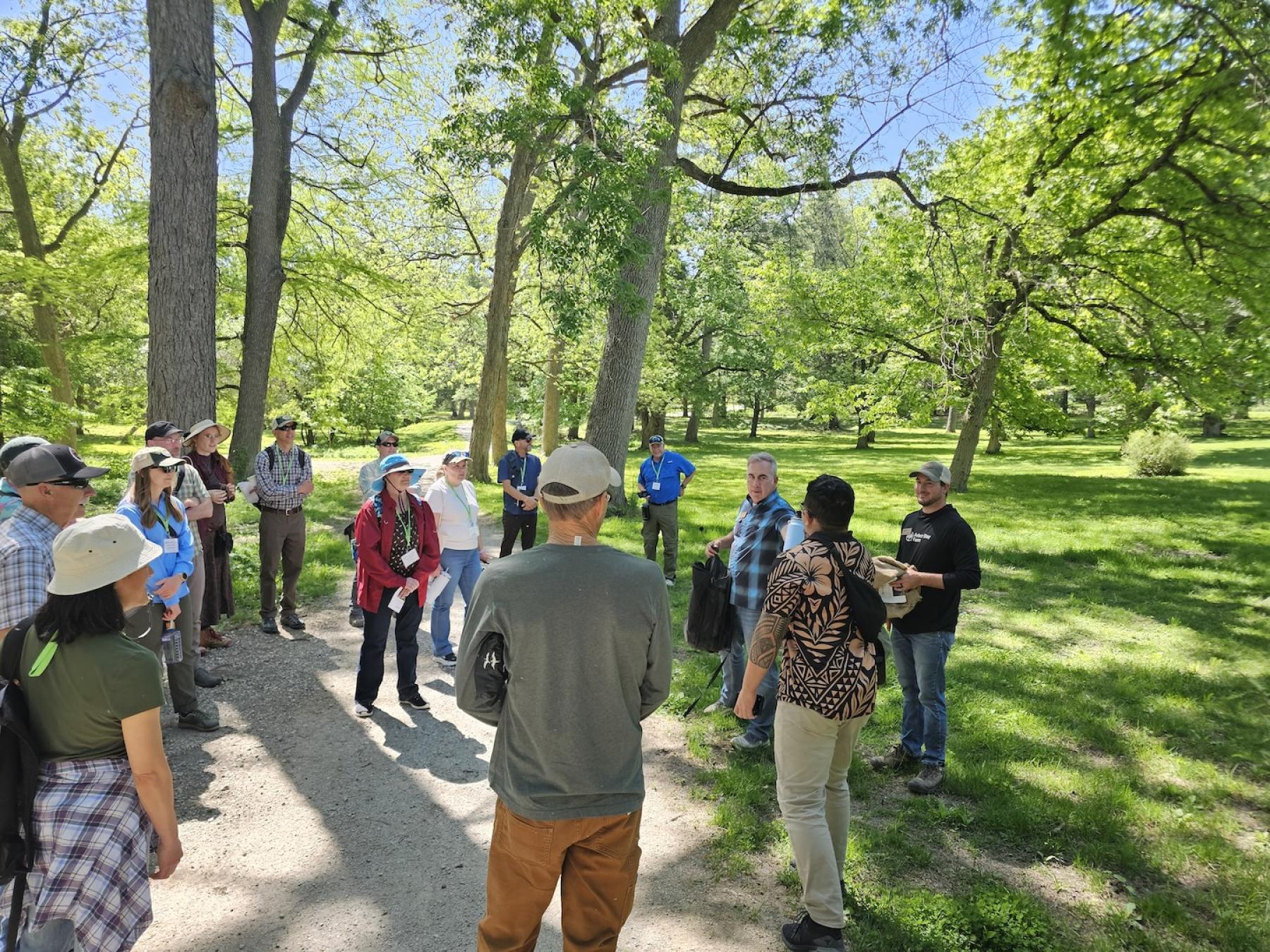
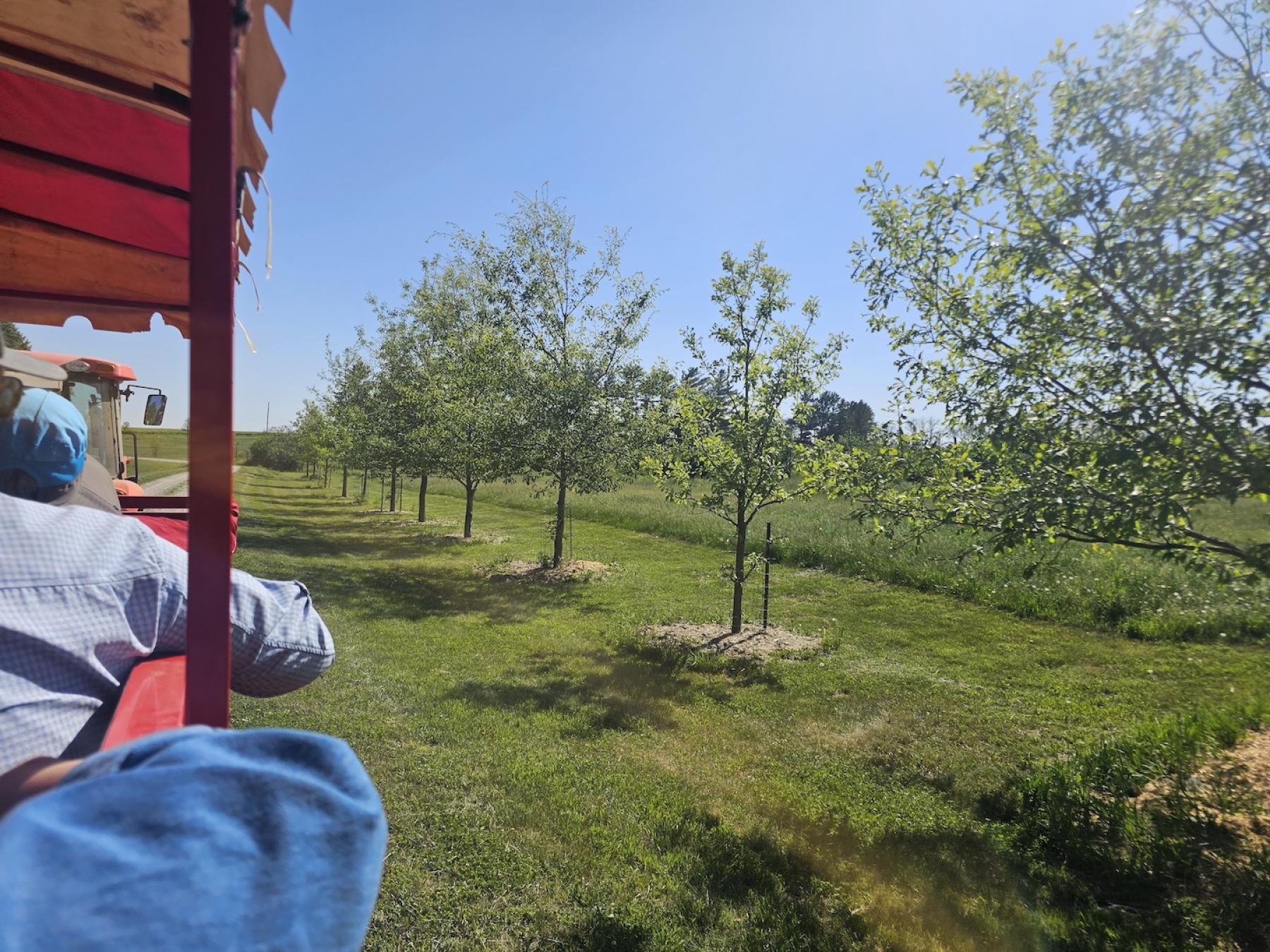
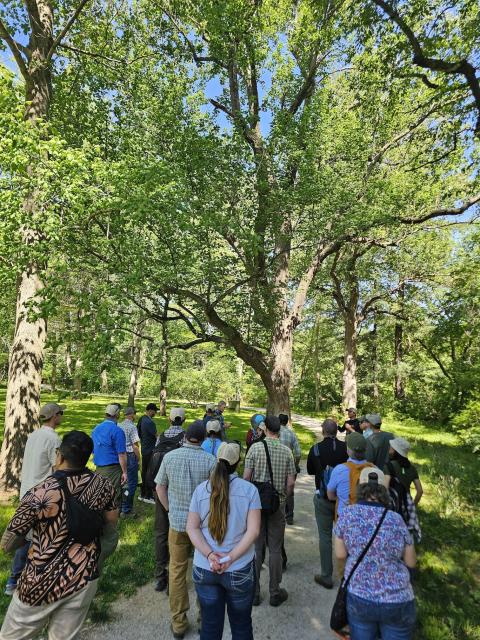
Highlights from day two included a guided walking tour of Arbor Day Farm with Mark Canney and Ben Heusinkvelt. This allowed attendees to explore the landscape of Arbor Lodge State Historical Park and learn about the legacy of J. Sterling Morton and the origins of Arbor Day, while observing champion trees, diverse plantings, and modern approaches to landscape care, restoration, and long-term forest stewardship.
The afternoon of May 13 featured a field tour showcasing forest restoration, forest management, and innovation in Omaha's Henry Doorly Zoo and the Horning State Farm Demonstration Forest.
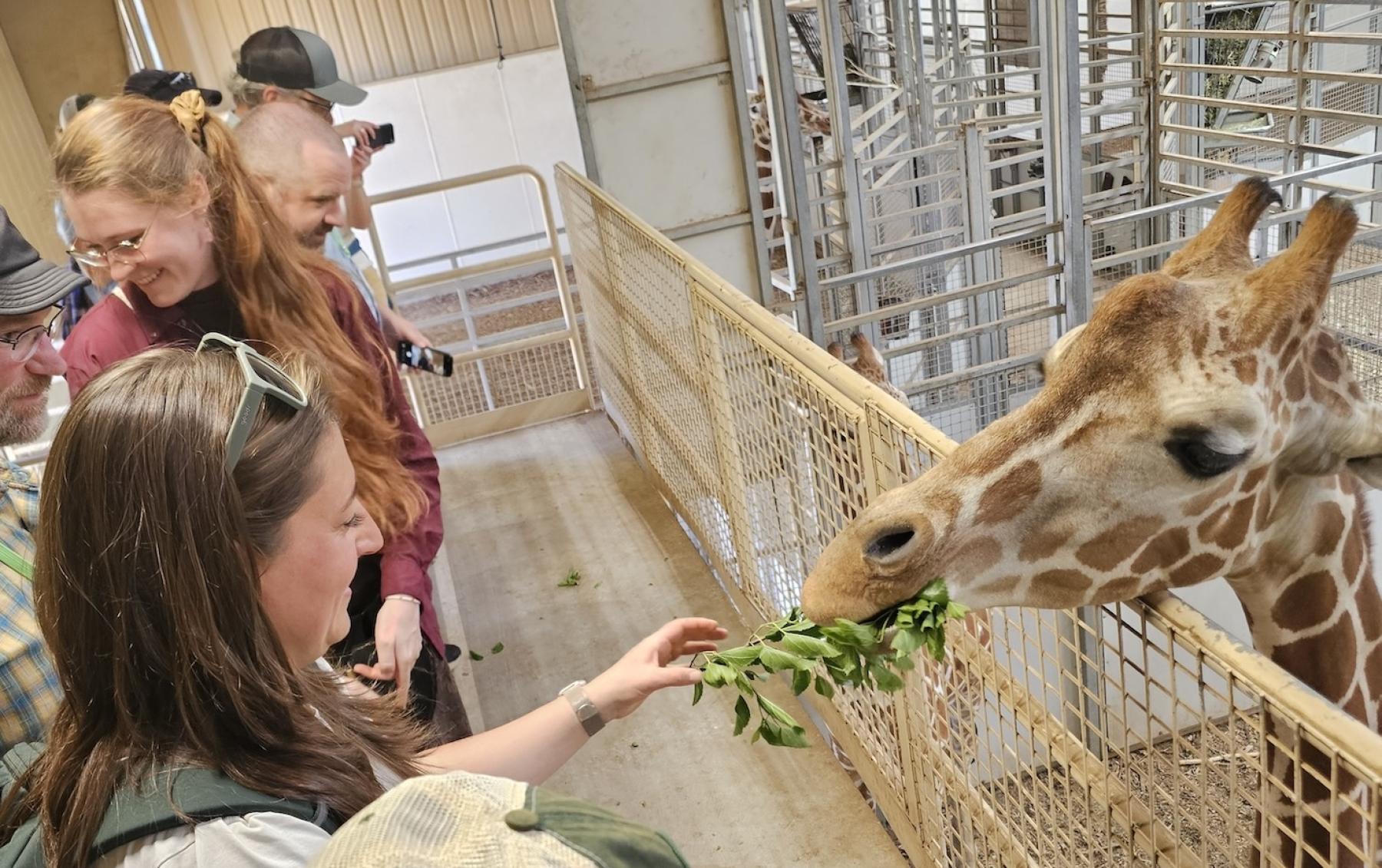
At the Omaha Henry Doorly Zoo, attendees met with Browse Program Supervisor Dakota Wagner to hear about the zoo’s Browse Program, which utilizes fresh branches, twigs, and other consumable leafy materials as food and enrichment for the zoo’s herbivores. This unique stop offered a firsthand look at how a creative partnership can support both ecosystems and wildlife.
At the Demonstration Forest, attendees heard from Aaron Clare and Jay Seaton with the Nebraska Forest Service. Horning State Farm is a living laboratory where forest management, conservation education, and ecological research come together. Field tour attendees explored a working forest landscape, learned about innovative management practices, and discussed how similar approaches could be applied in their respective states.
At the CWSF meeting on May 14, Kim Slezak, Chair of the CWSF Forest Products Committee, provided an update on the Ponderosa Pine Action Report and engaged the group in a conversation on next steps and opportunities for collaboration.
Aaron Lumley with the USDA Forest Service joined virtually to discuss post-disaster programs and processes, followed by a conversation on state-level needs and strategies for improving coordination.
During the meeting, CWSF members shared updates and conducted business, including elections for the CWSF Executive Committee and the western representative to the National Association of State Foresters (NASF) leadership.
The 2026-2027 CWSF Executive Committee includes Chair Kelly Norris (WY), Incoming Chair Laura McCarthy (NM), Treasurer Jeremy Douse (AK), and Past Chair Tom Claeys (ND). Jamie Barnes (UT) will be put forward as the Western candidate for NASF Treasurer. These transitions will take place at the 2026 NASF Annual Meeting in September.
Discussions throughout the week reinforced the importance of strong working relationships. Partnerships amongst state, federal, local, and tribal governments, along with the private sector, remain critical to addressing landscape-level priorities. The meeting created space for open communication, which is key to maintaining and growing the strong partnerships needed to adapt to ongoing change and accomplish important work on the ground.
As part of the Arbor Day Farm’s Tree Planting Initiative, over 3,400 trees were planted on behalf of the CWSF/WFLC Spring Meeting.
CWSF and WFLC members will reconvene for the 2026 CWSF/WFLC Fall Meeting in Washington, D.C., from December 2-4 to continue collaboration and conduct internal business.
2026 Sponsors
The 2026 Spring Meeting was made possible through the support of the following sponsors:
Silver Sponsor:
- Technosylva - Providing wildfire science and technology solutions that address the daily operational needs of wildfire professionals.
Bronze Sponsors:
Green Sponsor:
Explore Featured Resources
- Arbor Day Foundation
- Tree City USA and the celebration of the 50th Anniversary
- Additional programs including Tree Campus Healthcare, Tree Campus Higher Education, Tree Campus K-12, and Tree Line USA
- Arbor Day Farm
- Reforestation RFP (forthcoming in July)
- CWSF/WFLC
- National and Regional Associations
- USDA Forest Service
- Wildfire Data Initiatives