Authored by Trevor DoBell-Carlsson (FSP/LOA Chair) and Jason Moan (FHC Chair)
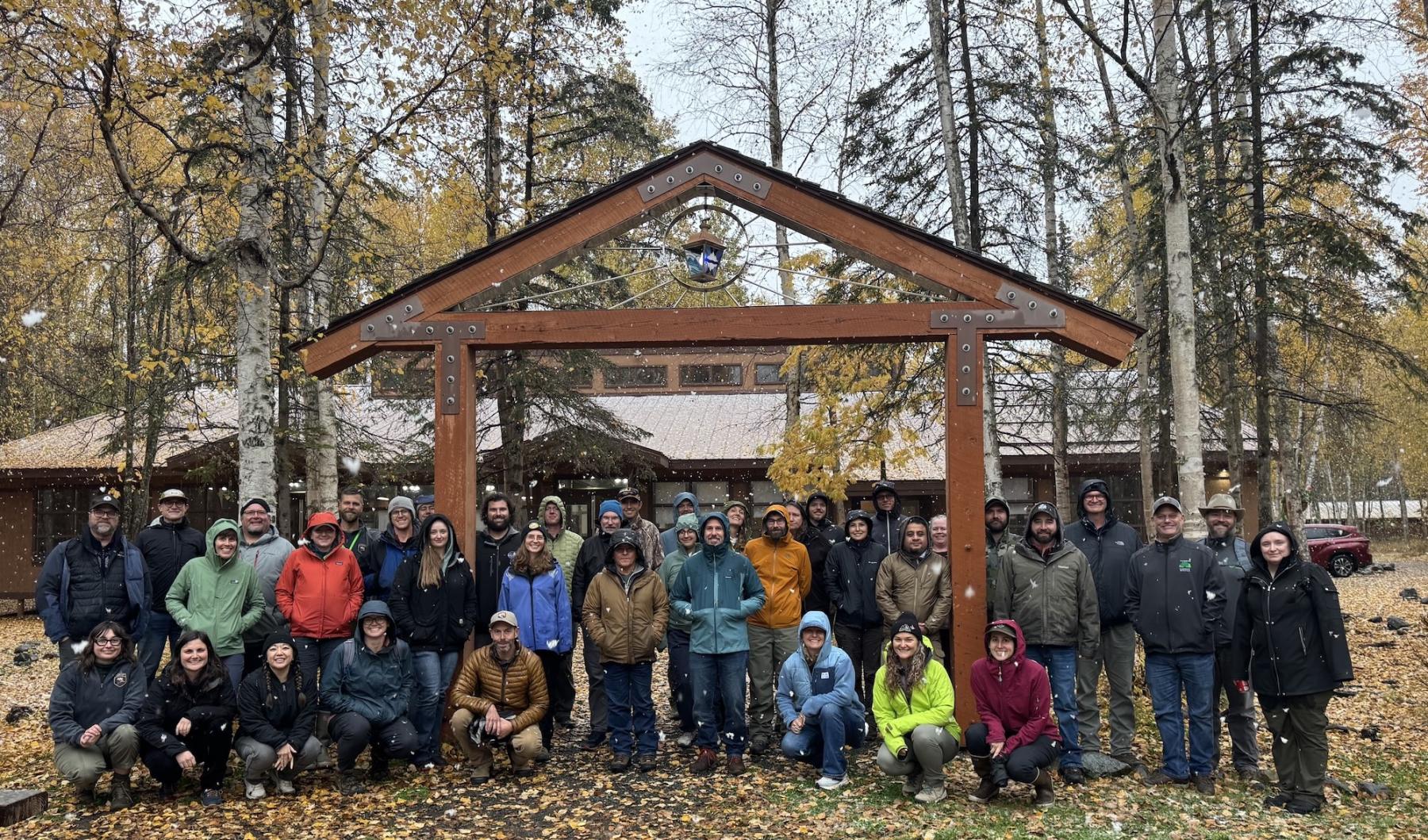
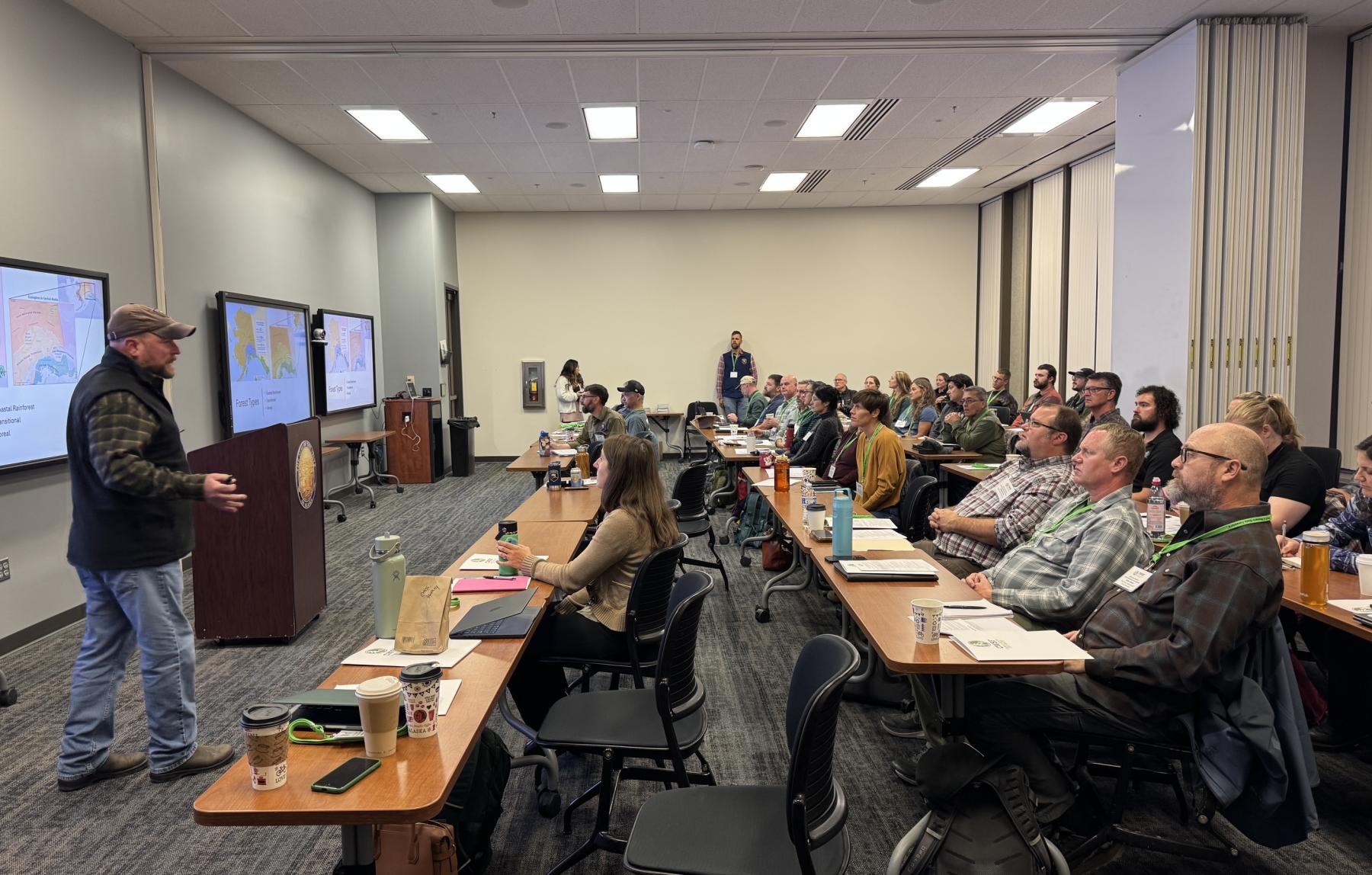
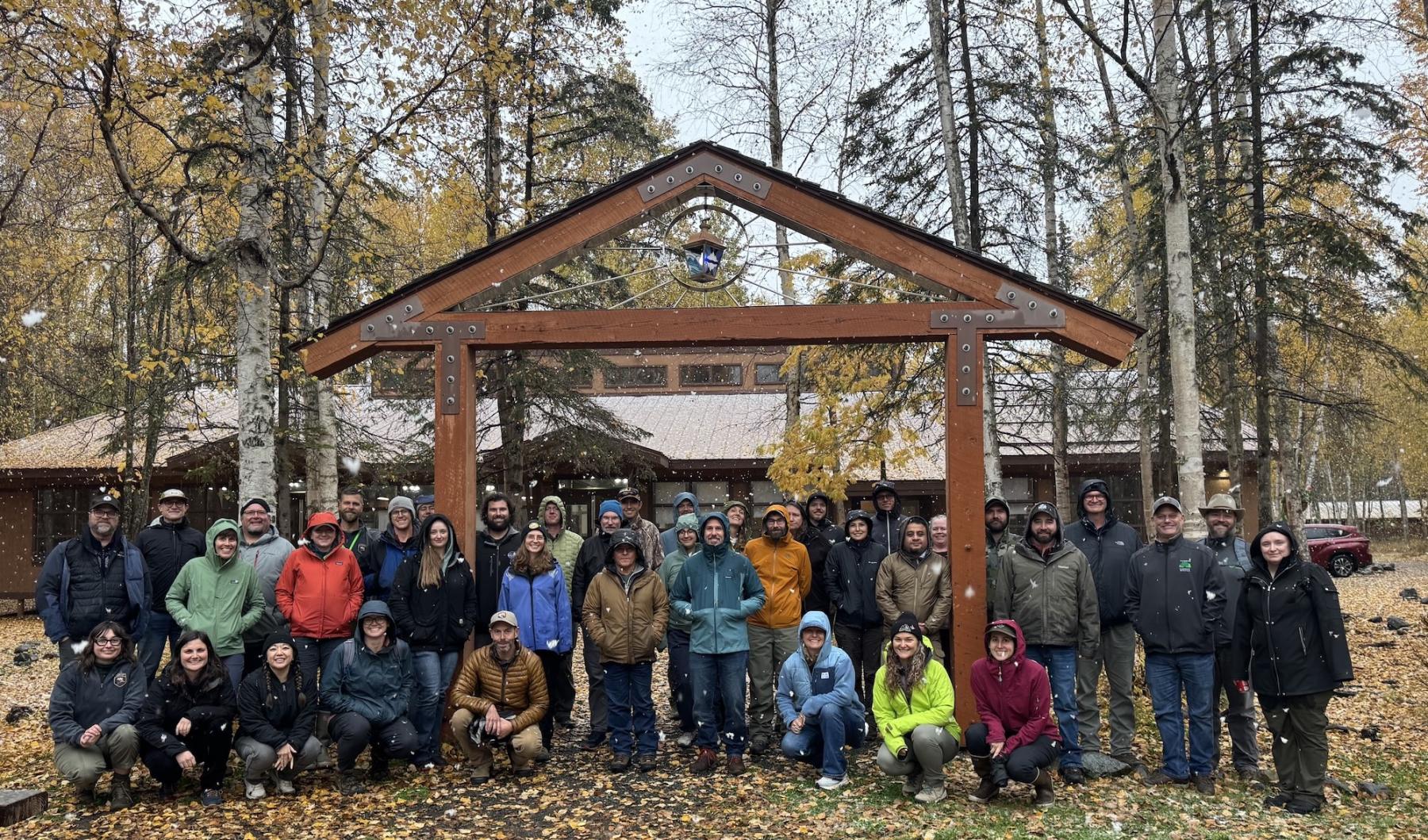
The Council of Western State Foresters (CWSF) Forest Health Committee (FHC) and Forest Stewardship Program/Landowner Assistance Committee (FSP/LOA) met in Anchorage, Alaska, September 29-October 1, for their 2026 Annual Meetings.
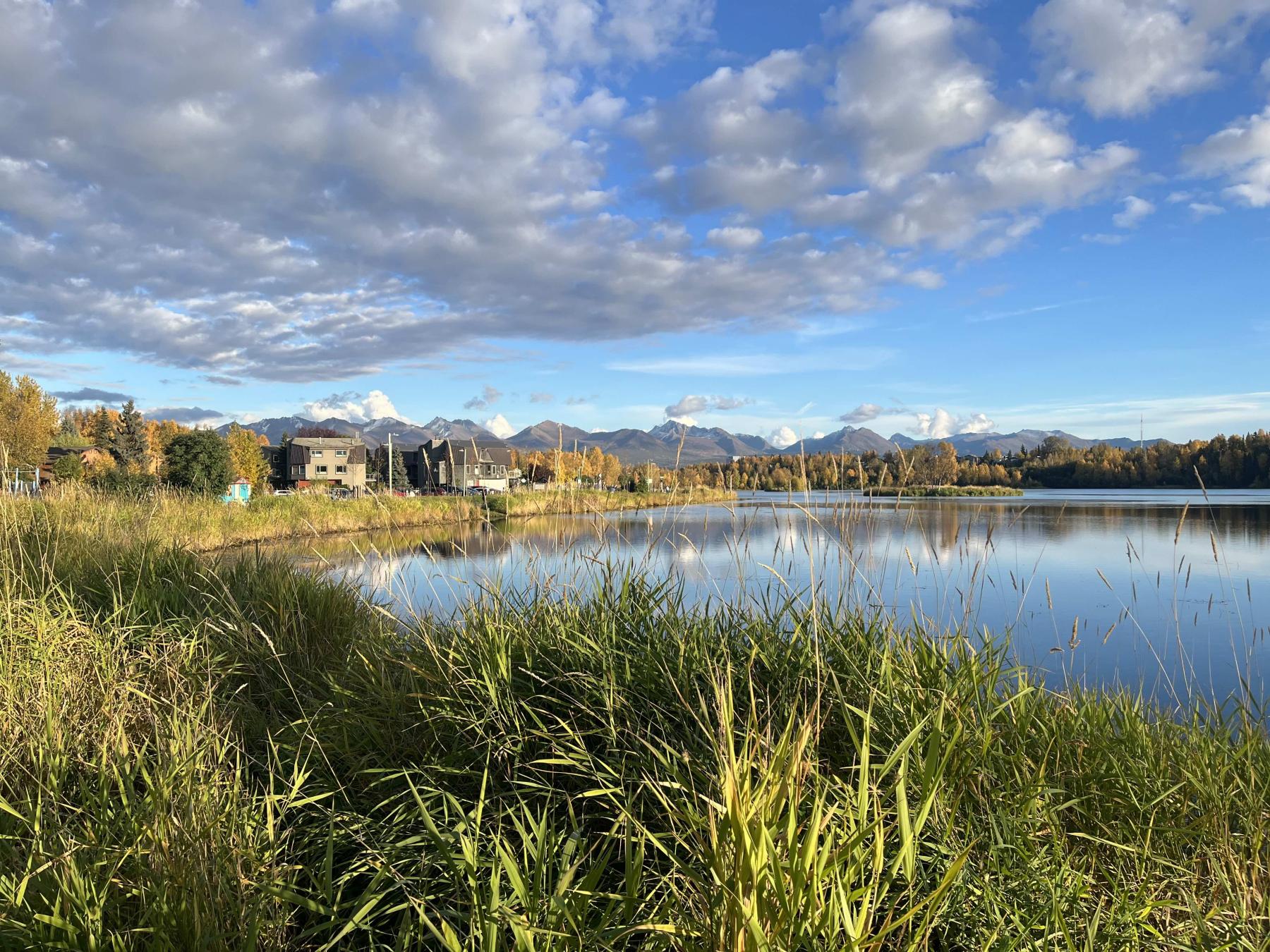
The meetings brought together forestry professionals from across the Western continental U.S., Hawai’i, and the Commonwealth of the Northern Mariana Islands to exchange ideas, strengthen partnerships, and share solutions on a range of topics from federal policy changes to on-the-ground forest management. Alaska provided a fitting backdrop for the discussions, complete with an enthusiastic early taste of winter.
Shared Perspectives
Combined sessions on the first and final days highlighted connections between forest health and stewardship programs.
A leadership roundtable featuring State Foresters Jeremy Douse (Alaska) and Marcus Warnke (South Dakota), along with Chad Davis, USDA Forest Service State, Private, and Tribal Forestry Pacific Regions Director, emphasized federal-state partnerships, program capacity, and translating forest health information into landowner assistance.
Participants discussed changes to USDA Forest Service grant terms and conditions and federal requirements under 2 CFR 200. States discussed ways to navigate evolving grant application and approval processes and created a resource library to share grant narratives.
Alaska's spruce beetle outbreak illustrated the value of collaboration, highlighting how forest health monitoring and landowner education connect with stewardship planning and reforestation assistance. The discussion also underscored a common challenge across the West: identifying forest health threats is only the first step and helping landowners take action can be considerably harder.
Focus on Forest Health and Forest Stewardship
Each committee also met separately to address its respective program priorities.
Forest Health Committee
The FHC focused on strengthening tools, partnerships, and information needed to identify and respond to forest health threats.
A major discussion centered on aerial detection surveys (ADS), which provide landscape-scale information on forest insects, diseases, and abiotic disturbances. Members shared how ADS data informs State Forest Action Plans, restoration projects, and disaster response. Participants discussed staffing and aviation challenges, as well as the importance of communicating ADS’s value to leadership and partners.
The committee also examined opportunities to standardize the National Association of State Foresters’ forest health protection reporting metrics, streamline deadlines, and better communicate accomplishments. Additional sessions explored integrating Forest Inventory and Analysis (FIA) data into forest health analyses and modeling efforts, and advances in semiochemical strategies for managing forest insects, both operationally and through research.
Forest Stewardship Program/Landowner Assistance Committee
The FSP/LOA Committee is focused on strengthening private landowner assistance, conservation partnerships, and implementation of forest management practices.
Members discussed coordination between Forest Stewardship Programs and the USDA Natural Resources Conservation Service, comparing approaches to developing management plans that meet both agencies' requirements while reducing duplication for landowners.
The committee reviewed the Forest Landowner Support initiative, exploring improved cost-share assistance, stronger partnerships, and barriers to implementing management recommendations. Participants emphasized developing resources that support landowners beyond individual grant cycles.
States shared successes and challenges involving technical assistance, reforestation, and cross-boundary management. Alaska highlighted stewardship planning for large Alaska Native Corporation ownerships, where remoteness and diverse management objectives present unique challenges.
Field Tour
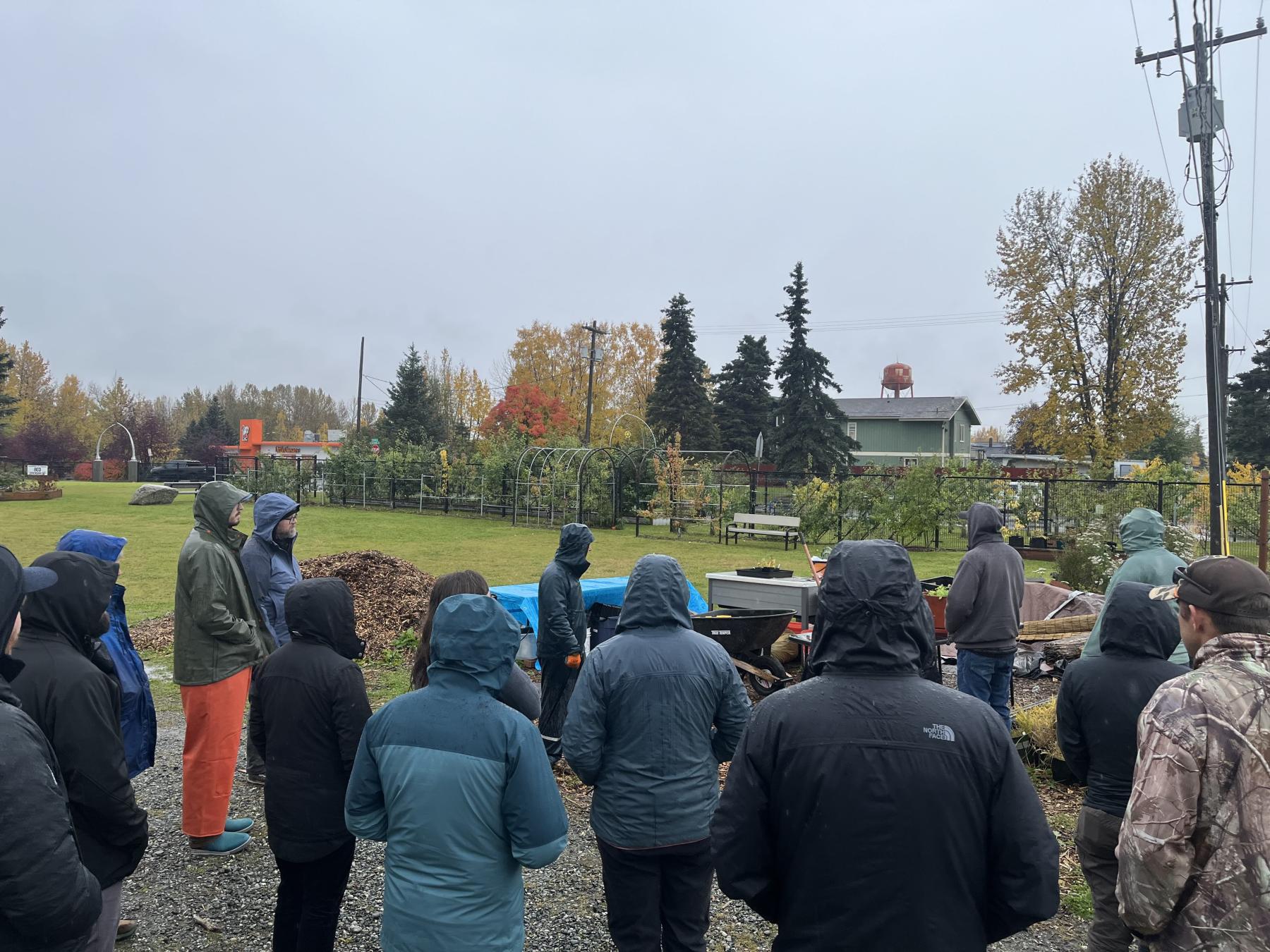
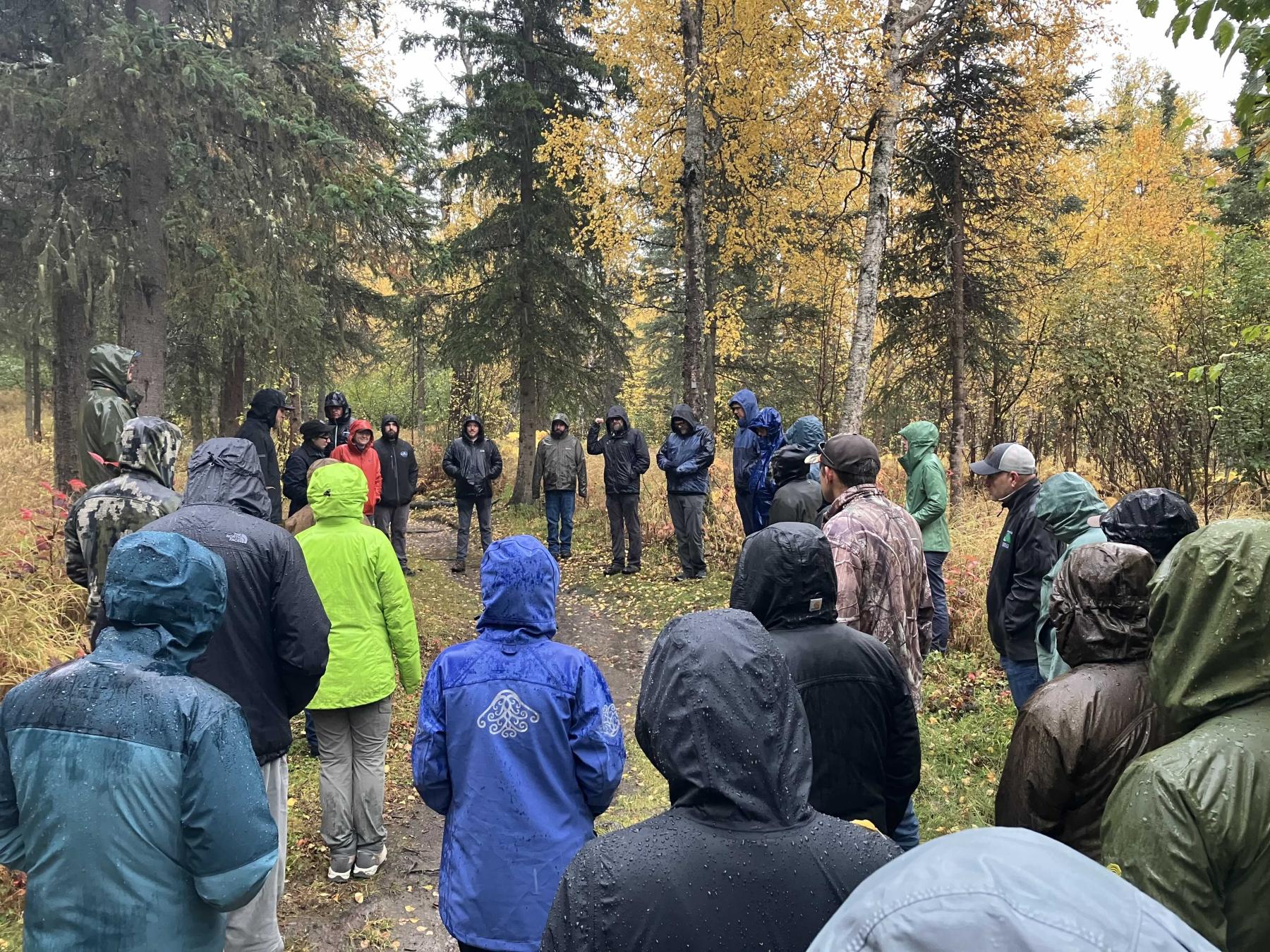
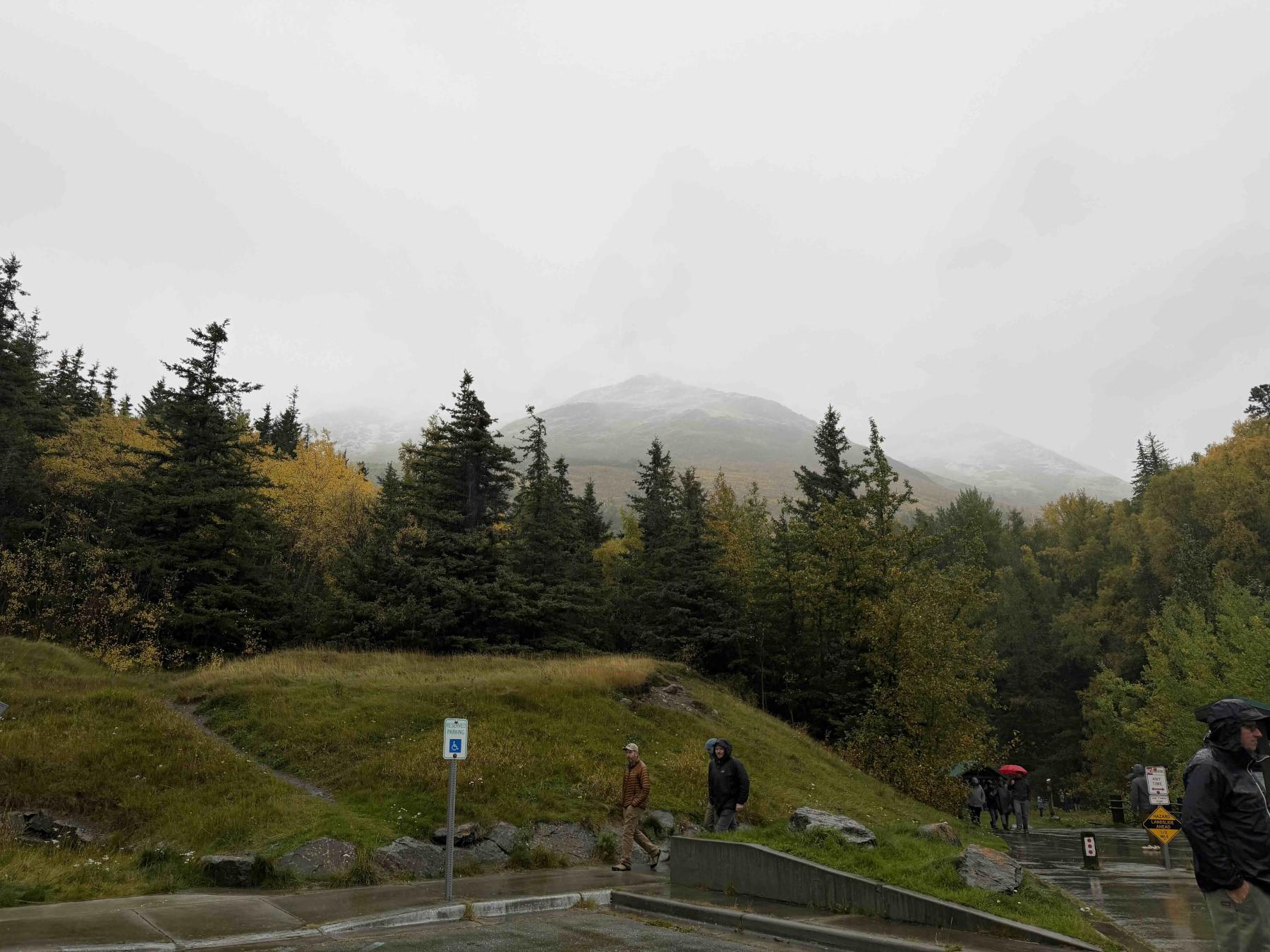
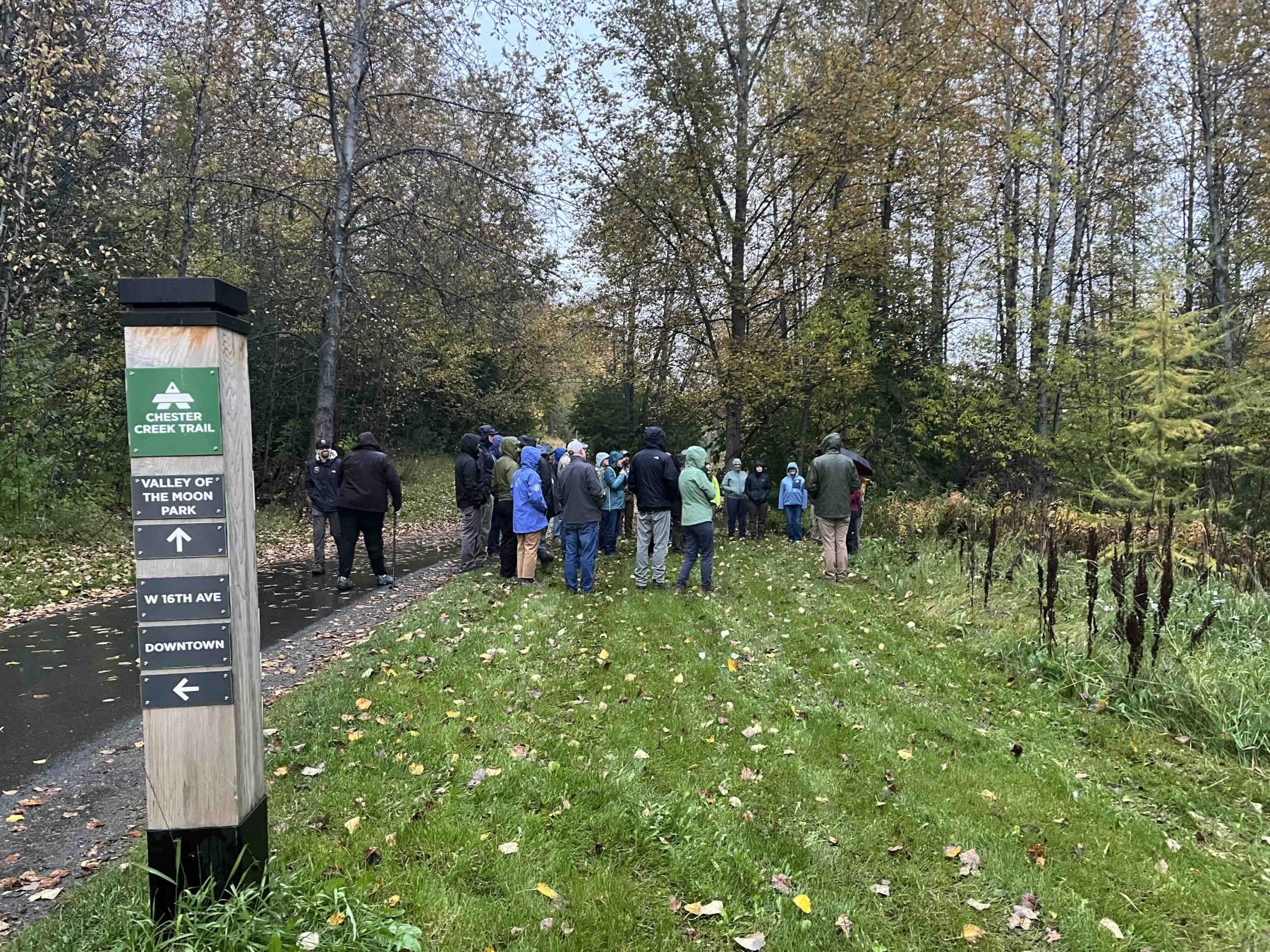
On September 30, both committees toured forest health, stewardship, and wildland-urban interface (WUI) projects throughout Anchorage and Chugiak.
At Valley of the Moon Park, participants examined invasive chokecherry management and discussed the invasive larch casebearer. McHugh Creek trailhead featured forest management in Alaska State Parks and post-fire reforestation, while the Hillside Fuel Break demonstrated wildfire risk reduction in the WUI. While McHugh Creek proved bear-free during the field tour, the trailhead now features extensive warning signs following a recent moose kill and brown bear encounters.
At Scout Camp Gorsuch, participants explored how Forest Stewardship Plans and Firewise assessments translated into on-the-ground projects, including milling birch trees for Scout cabin kits. The heavy, cold rain that attendees had endured all morning turned into a spectacularly heavy snowstorm during lunch, providing a welcome break from seeing water in liquid form. Snow in September!
The tour concluded at Government Hill Commons with a discussion of growing fruit trees in Alaska's subarctic environment, complete with fresh-pressed apple cider and honey from the orchard's beehives.
Collaborative Efforts and Action
Joint discussions highlighted opportunities to strengthen coordination between programs.
A session on electric utility partnerships explored vegetation management, wildfire risk reduction, and landowner outreach near utility infrastructure, with states sharing approaches from training to fuels reduction partnerships.
A round robin highlighted additional strategies:
- Early detection: Engaging foresters, firefighters, and partners in reporting invasive species.
- Outreach and education: Sharing resources to help landowners recognize forest health concerns and management options.
- Data sharing: Using GIS tools to connect forest health observations with stewardship recommendations.
- Local partnerships: Alaska's work with the Homer Soil and Water Conservation District helping landowners remove invasive bird cherry and chokecherry.
Looking Ahead
While the committees approach forest management from different perspectives, the meetings reinforced a shared goal: turning information into action. Whether identifying emerging forest health threats, helping landowners implement forest management practices, or building partnerships across boundaries, the work is stronger when forest health and stewardship programs work together.
Learn more about the CWSF Forest Health Committee and CWSF Forest Stewardship Program/Landowner Assistance Committee.
Photos: Kelsey Delaney, Halie Miyazawa, and Neil Simpson